What Is an MVP? Definition, Examples, and Cost Breakdown
An MVP (Minimum Viable Product) is the smallest version of a product that solves one meaningful user problem and can be tested in the real market.
MVP Definition in Practice
An MVP is not a prototype and not a half-finished app.
It is a usable product release with:
- a clear target user
- a focused core workflow
- measurable success criteria
Real MVP Examples
- Marketplace MVP: onboarding, listing creation, and one payment flow.
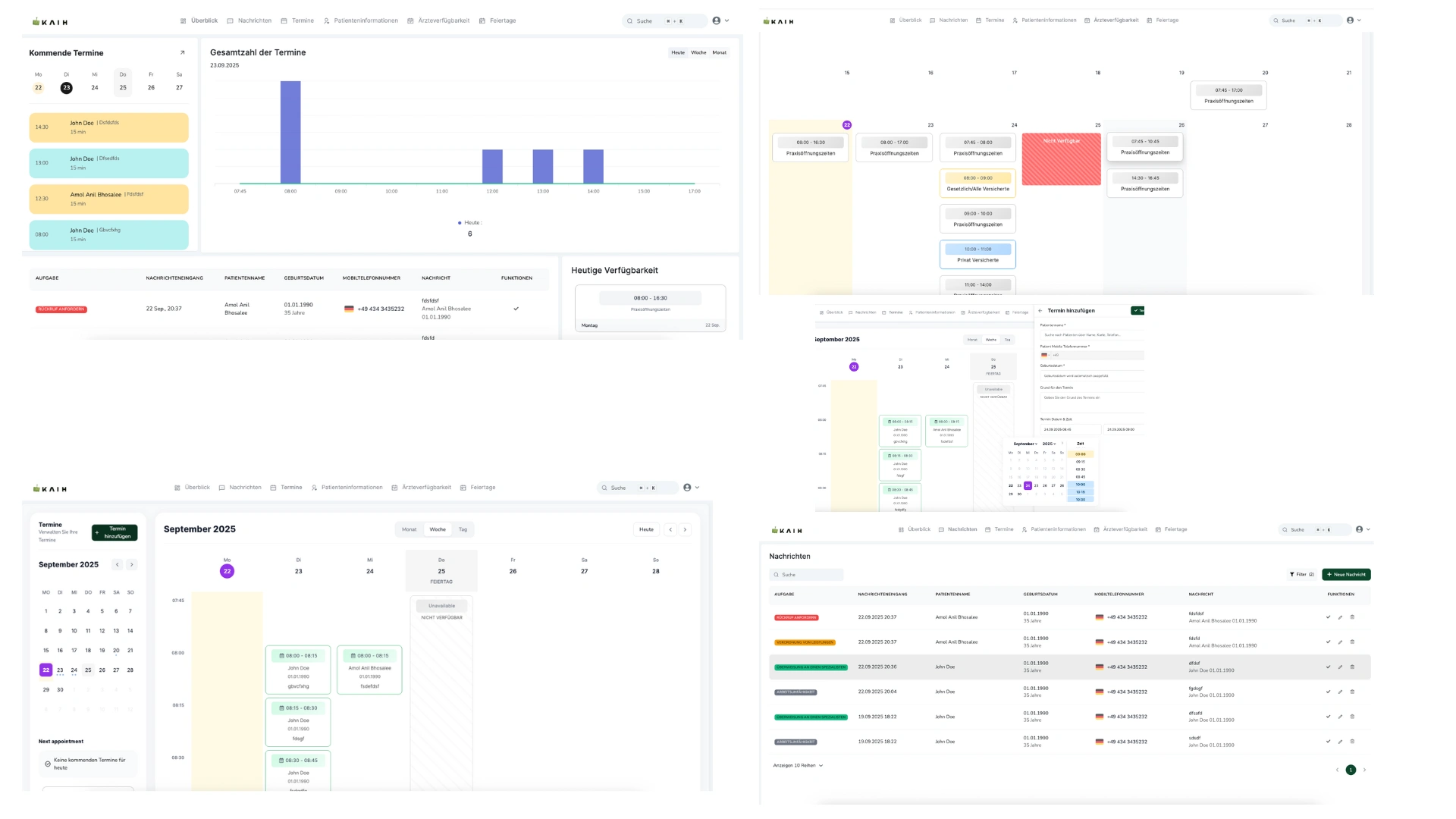
- B2B SaaS MVP: auth, one dashboard, and export/reporting.
- Internal ops MVP: role-based login, workflow automation, and audit logs.
Common MVP Mistakes
- Building too many features in v1.
- Ignoring analytics and success metrics.
- Shipping without infrastructure readiness.
- Delaying customer feedback until after full build.
Cost Breakdown by Workstream
| Workstream | Typical share |
| --- | --- |
| Product planning and architecture | 15-20% |
| Core development | 50-60% |
| QA and release hardening | 15-20% |
| DevOps and monitoring | 10-15% |
MVP Success Metrics
- Activation rate
- Weekly active users
- Feature-level retention
- Time to first value
- Conversion from trial to paid (if applicable)
The MVP goal is not feature completeness. It is market learning with enough product quality to earn trust.